Can an HOA Restrict Fence Types in Florida?

Yes, an HOA can restrict the type of fences in Florida.
Here is why.
Homeowners associations have the legal authority to regulate fences through their governing documents. These rules usually cover materials, height, style, and placement. Florida law allows these restrictions as long as they are clearly written and applied fairly.
If you live in the Tampa area, you need to follow both HOA rules and local city codes before installing a fence.
Let’s break it down.
What Gives an HOA the Right to Restrict Fences?
HOAs in Florida operate under legally binding documents such as:
- Declaration of Covenants, Conditions, and Restrictions
- Bylaws
- Architectural guidelines
They also fall under Chapter 720 of the Florida Statutes, which governs homeowners associations.
These rules allow HOAs to control how properties look within the community. That includes fences.
Most HOAs require approval before any fence is built. This helps maintain a consistent appearance across the neighborhood.
What Types of Fence Restrictions Are Common?
HOA fence rules usually fall into four categories.
1. Height Limits
Most HOAs set clear limits:
- Front yard fences: 3 to 4 feet
- Backyard fences: up to 6 feet
These limits protect visibility and maintain a uniform look.
2. Approved Materials
HOAs often limit fence materials to:
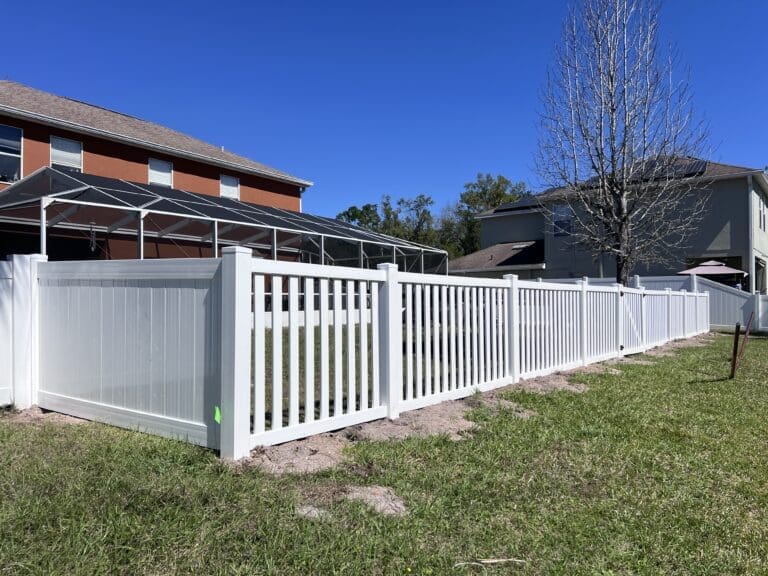
- Vinyl
- Aluminum
- Wood
They usually reject:
- Chain link fences in visible areas
- Barbed wire or electric fencing
- Temporary or low-quality materials
3. Style and Design
HOAs may require:
- Privacy fences only in backyards
- Decorative fences in front yards
- Specific spacing between pickets
The goal is consistency across homes.
4. Color Rules
Most communities restrict colors to:
- White
- Neutral tones
- Natural wood finishes
Bright or unusual colors are rarely allowed.
Can an HOA Deny Your Fence?
Yes, an HOA can deny your fence if it does not meet the rules.
Here is the key point.
The denial must follow the written guidelines. The HOA cannot reject your fence without a valid reason that ties back to its governing documents.
If your design follows all rules, the HOA must approve it.
What an HOA Cannot Do
HOAs have limits.
They cannot:
- Enforce rules that are not written down
- Apply rules differently between homeowners
- Override local city or county laws
- Deny reasonable property use without justification
If any of these happen, you may have grounds to challenge the decision.
Do You Need Approval Before Building a Fence?
Yes, you almost always need HOA approval before building a fence.
Here is how the process works.
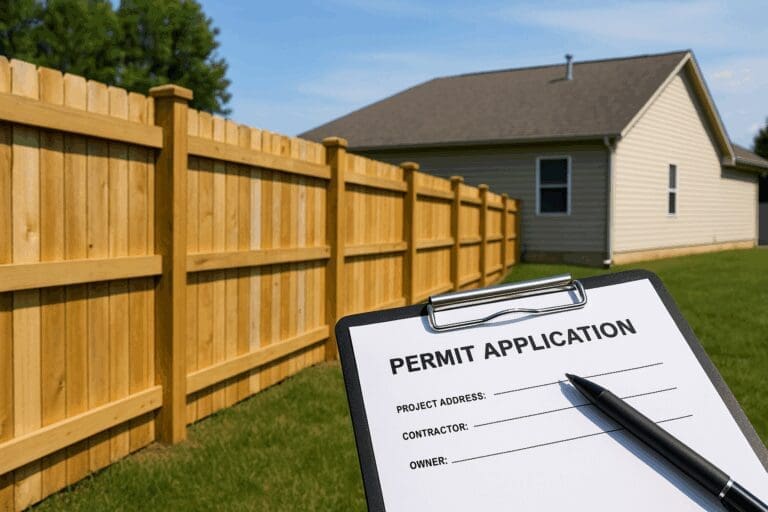
Most HOAs use an Architectural Review Committee or Architectural Control Committee.
You will need to submit:
- Fence design
- Materials
- Height
- Property layout
Approval usually takes a few weeks.
If you skip this step, the HOA can require you to remove the fence at your expense.
Florida Law and HOA Fence Rules
Florida law supports HOA authority but sets boundaries.
Under Chapter 720:
- HOAs can enforce architectural standards
- Rules must be reasonable
- Rules must be applied consistently
Local governments still control zoning, setbacks, and permits.
That means your fence must meet both HOA rules and city regulations.
Best Fence Types That Pass HOA Approval
If you want to avoid problems, choose fence types that HOAs commonly accept.
Vinyl Fences
- Clean appearance
- Low maintenance
- Commonly approved
Aluminum Fences
- Decorative
- Durable
- Often required for front yards
Wood Fences
- Natural look
- Flexible design options
- Must match HOA style guidelines
Choosing one of these increases your chances of fast approval.
Tampa Area Considerations
In Tampa, fence installation must follow:
- City zoning codes
- Property line rules
- Permit requirements
Even if your HOA approves your fence, you still need to meet local regulations.
This step is often overlooked.
What to Do If Your HOA Denies Your Fence
If your fence request is denied, take these steps.
- Ask for a written explanation
- Review the HOA documents
- Adjust your design to meet the rules
- Resubmit your application
Most issues get resolved by making small changes.
How to Avoid HOA Problems From the Start
The easiest way to avoid issues is to plan ahead.
Start with:
- Reviewing HOA guidelines
- Choosing approved materials
- Designing within height limits
Working with an experienced fence company helps prevent delays and rejections.
At Local Choice Fence, we help homeowners in the Tampa area design fences that meet HOA rules and local codes.
Frequently Asked Questions
Can an HOA restrict fence types in Florida?
Yes. HOAs can restrict fence materials, height, style, and color if the rules are written and enforced fairly.
Can an HOA stop you from building a fence?
Yes. They can deny a fence that does not meet their guidelines.
What fence is easiest to get approved?
Vinyl and aluminum fences are the most commonly approved options.
Do HOA rules override city laws?
No. Your fence must follow both HOA rules and local laws.
Final Answer
Yes, an HOA can restrict the type of fences in Florida.
You must follow their guidelines, get approval, and meet local regulations before building.
Sources
- Chapter 720, Florida Statutes (Homeowners’ Associations)
Publisher: Florida Legislature
URL: https://www.leg.state.fl.us/statutes - Residential Fences and Walls
Publisher: City of Tampa
URL: https://www.tampa.gov - Architectural Review Guidelines for HOAs
Publisher: Community Associations Institute
URL: https://www.caionline.org