
Do Fence Companies Handle Permits? Who’s Responsible for What
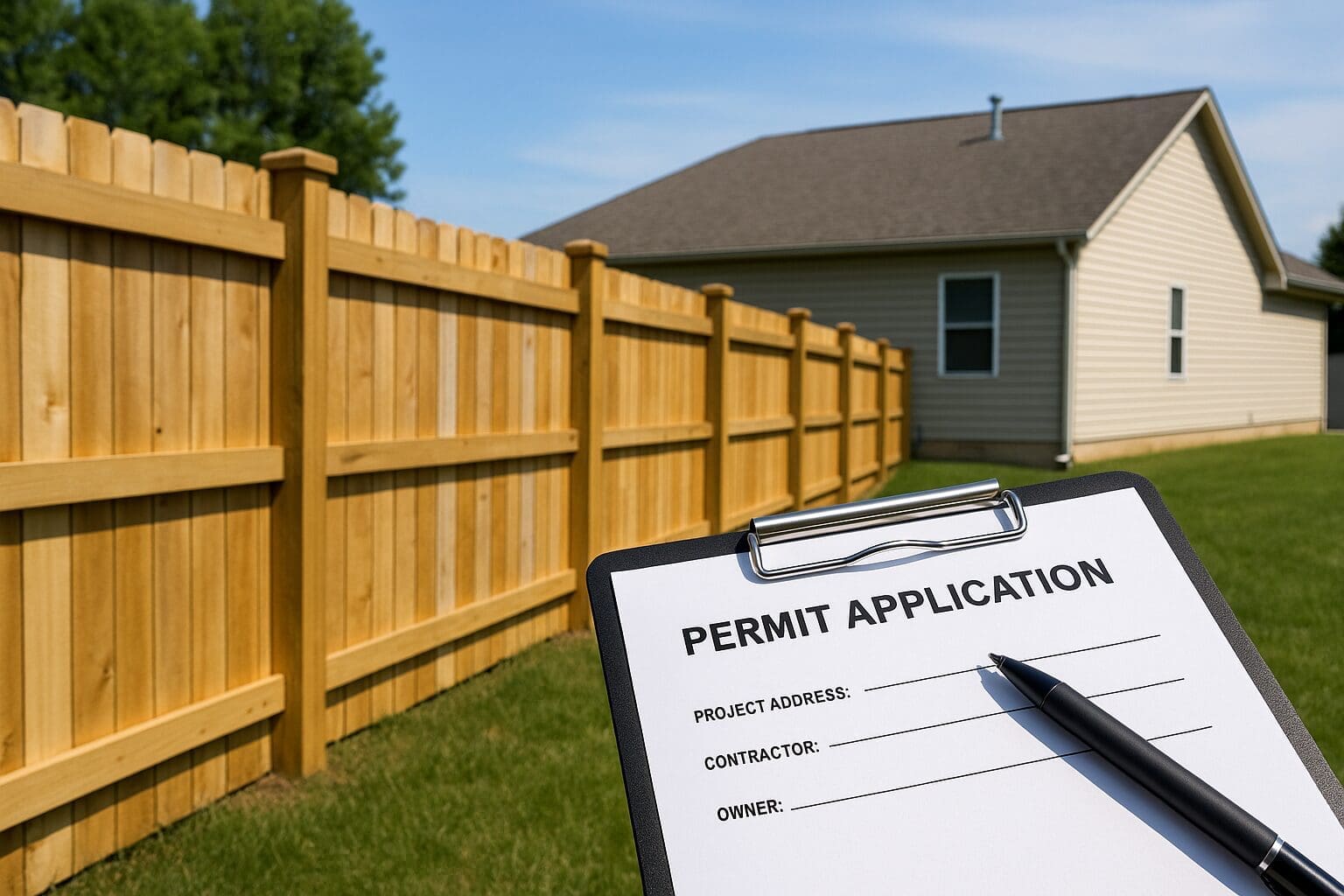
You’d think putting up a fence would be simple. Buy the panels, dig some holes, and get it done in a weekend. But there’s a step that trips up a lot of folks: permits. And that’s where things get murky. So here’s the straight answer. Most professional fence companies do pull permits, but they’re not legally required to unless your contract says so. And if they don’t, it falls on you.
Do Fence Companies Get Permits?
Yes, many fence companies will handle permits for you. That includes submitting paperwork, drawings, and fees to your local building department. It’s usually part of the service they offer. But not always. Some companies expect the homeowner to take care of it, especially for smaller residential jobs.
So before signing anything, ask this out loud: “Do you pull the permit, or do I?” That one sentence clears up a lot.
Are Fence Permits Always Required?
Not everywhere. Some towns don’t need one for fences under a certain height. Other cities want a permit no matter what, even for repairs. And if you live in a place with a homeowner’s association (HOA), you might need their written approval too, separate from any city permit.
Typical rules:
- Under 6 feet in backyards? Often no permit.
- Over 6 feet or in front yards? Probably needs one.
- Corner lots or fences near sidewalks? More restrictions.
Always check local rules. Call the city or look online. Don’t guess.
Does the Fence Company Pull Permits Automatically?
Not unless it’s in writing. Even if a company has done hundreds of jobs, that doesn’t mean they’re handling your paperwork. It has to be part of the quote or agreement.
Some fence companies build permit fees into the total cost. Others charge it separately. A typical residential fence permit might cost $40 to $150, depending on where you live. Bigger cities charge more. Some inspections are included, others aren’t.
So here’s what usually happens:
- Reputable fence companies offer to pull the permit or include it in the service
- Budget installers or subcontractors often leave it up to the homeowner
- DIY or online fence kits? You’re definitely on your own
Who’s Legally Responsible for the Permit?
The homeowner. Always. Even if the fence company says they’ll take care of it, it’s your property, so you’re the one who gets fined if something goes wrong.
That means:
- If they forget to pull it? You get the violation
- If they build too close to a property line? You’re responsible
- If the fence has to come down? That’s on your wallet
So even if the fence company offers to handle it, you still want to double-check that the permit was approved before work starts.
How to Make Sure Permits Are Covered
Here’s what to ask or look for before hiring anyone:
- “Is the permit included?”
- “Do you file it, or do I?”
- “Can I see the permit when it’s approved?”
Also, make sure the scope of the work matches what’s on the permit. If you add a gate, or change the layout after the permit is issued, it might need to be updated.
Final Tips to Avoid Trouble
- Mark property lines clearly. Don’t rely on old fences or assumptions
- Call 811 before digging. This is free, and it’s the law
- Get everything in writing. If the company pulls the permit, it should be on the contract
- Expect inspections. Some cities send someone out after it’s built. Others inspect the post holes before concrete goes in
- Keep a copy of the permit. In case there’s ever a property dispute or sale later
So does the fence company get the permit? Sometimes, yes. But legally, it’s on you to make sure it gets done. If the company offers it, great, but don’t assume. Ask, confirm, and get it in writing. That one step saves a whole mess of trouble later.
Local Choice Fence does handle all permitting from start to finish. We make sure it’s done right, filed on time, and fully approved before work begins so you don’t have to worry about it.


